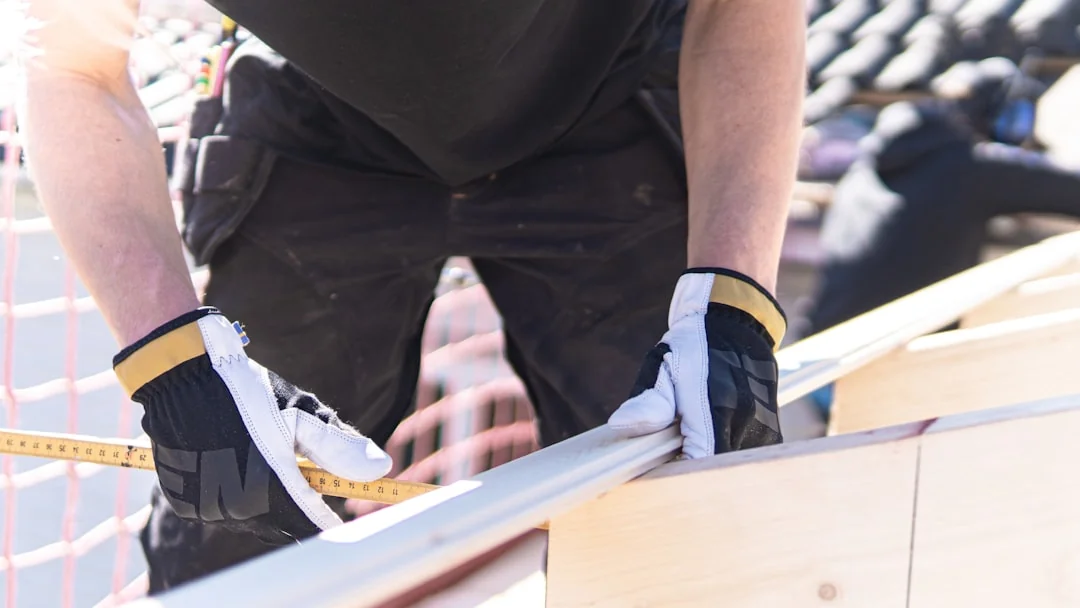
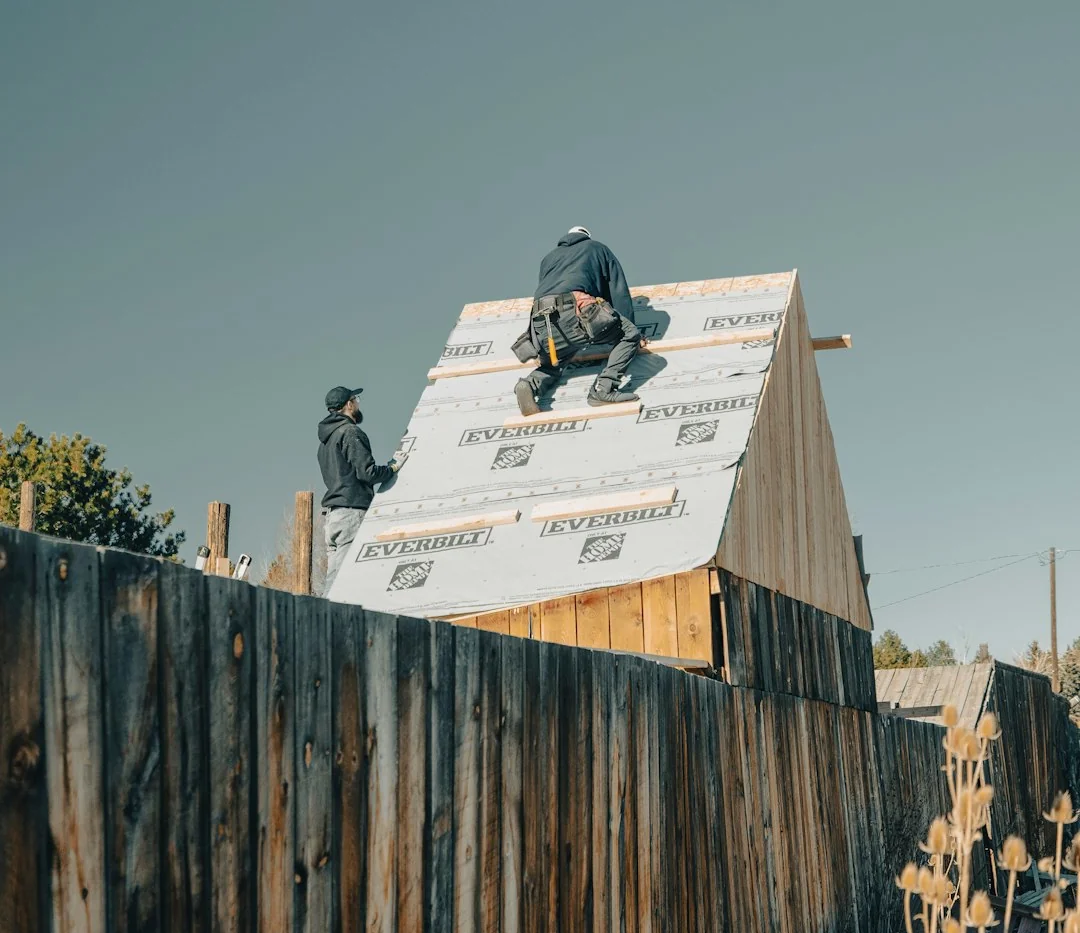
Hiring a Professional Roofing Contractor: What to Expect

Roofing projects, whether it’s a repair, replacement, or a new installation, are no simple undertakings. They require skill, expertise, and a keen understanding of various roofing materials and construction techniques. This is where the importance of hiring a professional roofing contractor comes into play. A professional roof contractor not only ensures the durability and longevity of your roof but also guarantees the safety of your household. They have the right knowledge and tools to deliver quality work, adhering to both local building codes and manufacturer’s guidelines. 

This article aims to shed light on what to expect when hiring a professional roofing contractor. It will guide you through the process of hiring, the benefits it brings, and the standards you should look for in a professional roofer. The purpose of this article is to provide homeowners and property managers with a comprehensive understanding of the importance of employing professional roofing services. By the end of this read, you will have a clearer vision of why professional roofing contractors are an indispensable part of any roofing project.

Understanding Roof Repair

What is Roof Repair?

Roof repair is the process of fixing minor to moderate damages on a roof to restore its integrity without a full replacement. These damages may include leaks, missing shingles, mold growth, or weather-related issues caused by hail and wind.

The Roof Repair Process

The process begins with a thorough inspection to assess the extent and location of the damage. Once identified, roofing professionals use appropriate tools and materials to address issues such as replacing damaged shingles, sealing leaks, or treating mold and rot.

When Roof Repair is Necessary

Roof repair is suitable when damage is localized and does not compromise the overall structure. If only a few shingles are missing or there is a minor leak, repairs can restore functionality without requiring a complete replacement.

Advantages and Limitations

Roof repairs are generally more affordable and less time-consuming than a full replacement. However, repairs may not be a long-term solution if the roof is old or extensively damaged. Additionally, repaired sections may not always match the existing roof, affecting aesthetics.

Understanding Roof Replacement

What is Roof Replacement?

Roof replacement involves removing the entire roofing system and installing a new one. This process may include replacing the underlayment, decking, flashing, and roofing materials such as shingles or tiles.

The Roof Replacement Process

The replacement process starts with the removal of existing materials to inspect the underlying structure. Any damaged or rotted decking is replaced before installing a new underlayment and roofing materials to ensure a durable, long-lasting roof.

When Roof Replacement is Necessary

A roof replacement is required when a roof is old, extensively damaged, or when repairs are no longer cost-effective. Severe storm damage, fire damage, or a roof nearing the end of its lifespan are common reasons for a full replacement.

Advantages and Considerations

A new roof enhances property value, improves aesthetics, and provides long-term protection. However, roof replacement is a significant investment, requiring more time and labor compared to repairs. While the initial cost is high, it can be more economical in the long run by reducing frequent repair expenses.

Comparing Roof Repair and Roof Replacement

Evaluating the Cost Differences

Roof repair is generally more affordable since it focuses on specific problem areas rather than replacing the entire system. However, frequent repairs can accumulate costs over time, sometimes exceeding the expense of a full replacement.

Long-Term Benefits and Value

Roof replacement provides long-term benefits, including extended durability and reduced maintenance needs. While repairs can extend the life of an existing roof, constant maintenance may become costly and inconvenient.

Impact on Property Value

A new roof significantly enhances property value, improving both aesthetics and structural integrity. While repairs help maintain value, they do not provide the same level of enhancement as a complete replacement.

Factors to Consider When Choosing Between Roof Repair and Replacement

Assessing the Age of the Roof

The lifespan of roofing materials varies, with asphalt shingles typically lasting 15 to 20 years. If a roof is approaching the end of its lifespan, replacement may be a more practical long-term investment.

Extent of Damage

Localized damage, such as a few missing shingles or a minor leak, is usually manageable with repairs. However, extensive damage, including widespread leaks or structural weaknesses, may require a full replacement.

Budget Considerations

Roof repairs have a lower upfront cost, making them an attractive option for minor damage. However, if ongoing repairs become frequent, a replacement may be more cost-effective over time.

Future Plans for the Property

If selling a home shortly, a new roof can enhance market appeal and increase property value. Homeowners planning to stay for many years may prefer periodic repairs to extend the current roof’s lifespan.

Consulting a Professional

Why Expert Assessment is Important

A professional roofing contractor can accurately assess the condition of a roof, identifying issues that may not be visible to an untrained eye. Their expertise ensures the most suitable solution is chosen based on damage severity and future viability.

The Role of a Roofing Professional

Roofing professionals evaluate materials, structural integrity, and weather exposure to determine the best repair or replacement strategy. They can also provide preventative maintenance recommendations.

Finding a Reliable Roofing Contractor

Selecting a contractor with a strong reputation, positive customer reviews, and proper licensing is crucial. A professional should provide a detailed estimate outlining repair and replacement costs, ensuring transparency and informed decision-making.

Understanding the Role of a Roofing Contractor

What Does a Roofing Contractor Do?

A roofing contractor specializes in roof installation, repair, and replacement for residential and commercial properties. They have expertise in structural integrity, roofing materials, and construction methods.

Why Expertise Matters

Roofing contractors understand the behavior of different materials under various weather conditions. Their knowledge of insulation, drainage, and roofing techniques ensures long-lasting and effective solutions.

The Consulting and Advisory Role

Beyond repairs and replacements, roofing contractors provide consultation services, guiding homeowners on material selection, maintenance practices, and cost-effective solutions.

Reasons to Hire a Professional Roofing Contractor

Experience and Expertise

Professional contractors have years of experience identifying roofing issues and recommending suitable solutions. Their knowledge of materials and techniques ensures a durable and efficient outcome.

Safety and Risk Reduction

Roofing projects can be hazardous without proper training and equipment. Professional contractors follow safety protocols to minimize risks during installations and repairs.

Quality Workmanship and Guarantees

Hiring a contractor ensures high-quality work, often backed by warranties. Many professionals offer guarantees that cover post-installation issues, providing homeowners with peace of mind.

What to Expect When Hiring a Roofing Contractor

The Selection Process

Hiring a contractor begins with researching potential candidates, reading reviews, and obtaining recommendations. A contractor should be thoroughly vetted before making a decision.

Project Estimation and Contracts

After an initial inspection, the contractor provides an estimate that includes labor and material costs. A contract should detail the scope of work, timelines, payment schedules, and warranty terms.

The Roofing Installation Process

The process may involve removing an old roof, installing new materials, and ensuring proper cleanup after the project is completed. A final inspection ensures quality and adherence to agreed-upon standards.

Choosing the Right Roofing Contractor

Researching Potential Contractors

Comparing different contractors helps ensure the right fit for a roofing project. Checking credentials, references, and past work is essential.

Verifying Credentials and Insurance

Ensuring a contractor is licensed and insured protects homeowners from liability. Proper documentation confirms their qualifications and adherence to industry standards.

Asking the Right Questions

Questions regarding experience, warranties, project timelines, and previous work help determine the contractor’s reliability. Clear communication ensures expectations are met.

Finalizing the Decision

Once satisfied with research and discussions, selecting a contractor with a proven track record guarantees a successful roofing project. Ensuring contract clarity and project details minimizes potential issues.

Conclusion

In conclusion, hiring a professional roofing contractor is a decision that should not be taken lightly. The roof is one of the most crucial parts of your home, and a poorly done job can lead to serious issues down the line. A professional roofer brings a wealth of experience, knowledge, and specialized tools to the job, ensuring that your roofing project is completed to the highest standard. The process of selecting a reliable contractor involves thorough research, scrutinizing their credentials, checking references, and ensuring they have the necessary insurance coverage. By asking the right questions, you can gauge their competence, transparency, and readiness to meet your specific needs. This due diligence is a crucial step in securing a smooth and satisfactory roofing experience.

In your journey to finding the right roofing contractor, it’s important to remember that the cheapest option isn’t always the best. The goal is to find a contractor who offers a balance of reasonable pricing, quality workmanship, and excellent customer service. Lastly, we encourage you to take your time and make a well-informed decision. Your roof is a significant investment, and you want it to be in the hands of a contractor who’ll treat it with the care and respect it deserves. Hiring a professional roofer is a decision that comes with the peace of mind of knowing that your roofing project is in capable and experienced hands. Make the choice that feels right to you, knowing that you’ve done your homework and are confident in your decision.
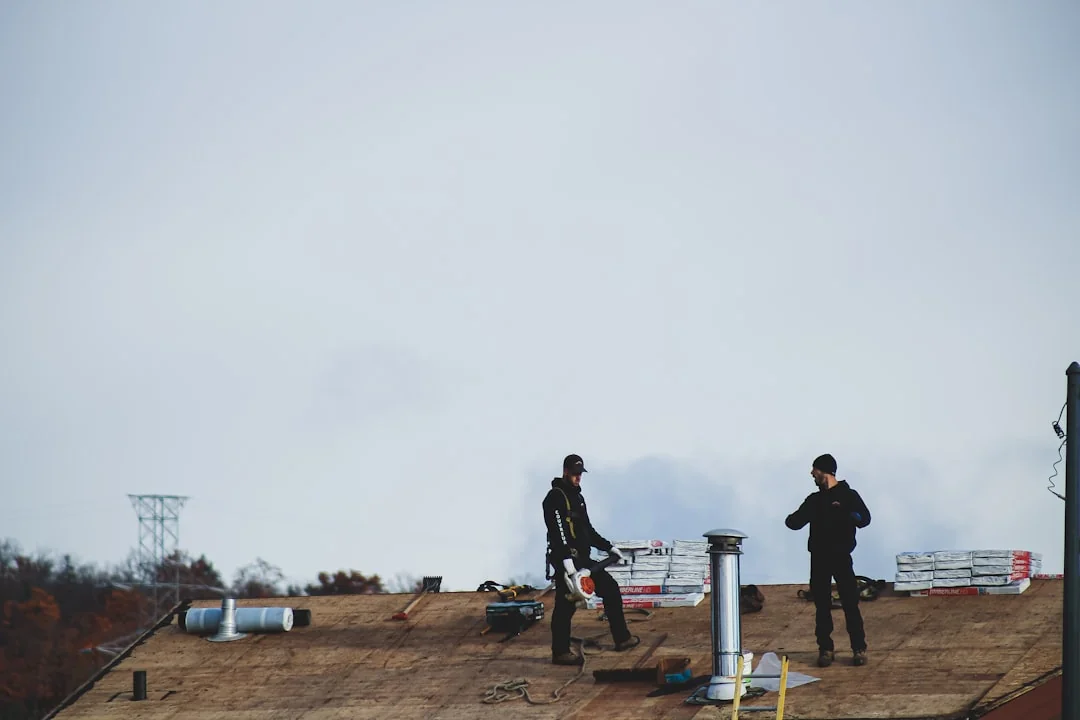
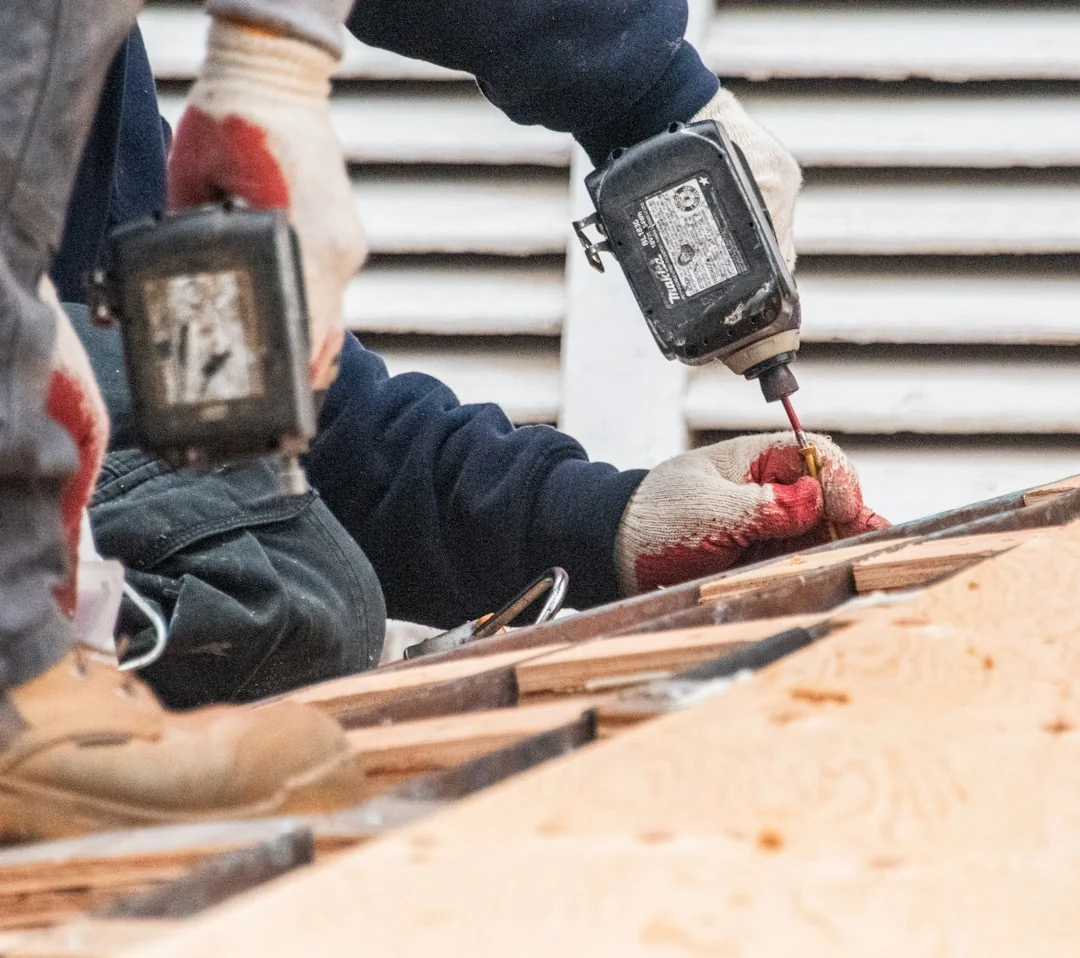
Understanding the Cost of Roof Replacement

A roof is more than just a covering over your home—it’s your first line of defense against the elements. It protects you from rain, sun, wind, and other harsh weather conditions while also enhancing the aesthetic appeal of your house. Over time, however, roofs wear out and need to be replaced. Whether due to aging, storm damage, or simply a desire for an upgrade, roof replacement is a significant investment that requires careful consideration.

Understanding the cost of roof replacement in Tucson is crucial before starting any project. The price of replacing a roof can vary widely depending on several factors, including materials, labor costs, and the time of year. Working with the right roofing company and hiring experienced roofing contractors can ensure you get quality results without overspending. In this guide, we will break down everything you need to know about the cost of roof replacement, the factors that influence pricing, and ways to save money on this essential home improvement.

Factors That Influence the Cost of Roof Replacement

Several elements impact the total cost of a roof replacement. Understanding these factors can help you plan your budget effectively and avoid unexpected expenses.

1. Type of Roofing Material

The roofing material you choose significantly affects the cost of your roof replacement. There are several options available, each with varying costs and benefits.

  • Asphalt Shingles: The most common and affordable roofing material. Prices typically range from $3.50 to $5.50 per square foot.
  • Metal Roofing: More durable and energy-efficient but comes at a higher price, usually between $5 and $14 per square foot.
  • Wood Shakes/Shingles: Aesthetic and durable but pricier, typically costing $6 to $9 per square foot.
  • Tile Roofing: A high-end option with excellent durability, costing between $7 and $10 per square foot.
  • Slate Roofing: The most expensive but highly durable, with costs ranging from $10 to $20 per square foot.

Each material has its advantages and drawbacks, so homeowners should balance cost, durability, and aesthetic appeal before making a decision.

2. Size and Complexity of the Roof

The larger your roof, the more materials and labor it will require, increasing the total cost. Roofers typically charge per roofing square, which equals 100 square feet. If your roof has multiple levels, steep slopes, or architectural features like chimneys or skylights, expect additional labor costs.

3. Labor Costs

Labor costs vary depending on your location and the complexity of the job. Hiring an experienced roofing contractor ensures quality work but may come at a premium price. Labor typically accounts for 40% to 60% of the total cost of roof replacement.

4. Roof Removal and Disposal

Before installing a new roof, the old one must be removed. The cost of removal and disposal depends on the type of material and the number of layers. Roof replacement companies usually charge an additional fee for this service, which can range from $1 to $5 per square foot.

5. Permit and Inspection Fees

Many cities require permits for roof replacement, and costs vary based on location. In Tucson, permit fees typically range from $50 to several hundred dollars. Inspections may also be required to ensure compliance with building codes.

6. Seasonal Demand

Like any industry, roofing services have peak and off-peak seasons. During busy seasons (spring and summer), costs tend to be higher due to increased demand. Scheduling your roofing replacement during the off-season can sometimes lead to cost savings.

7. Additional Features and Upgrades

If you choose to upgrade your roofing system with insulation, skylights, or solar panels, expect additional costs. While these upgrades can increase energy efficiency and home value, they also add to the overall price of your project.

Additional Costs in Roof Replacement

Besides the primary cost factors, there are additional expenses that homeowners should consider:

  • Underlayment Replacement: If the existing underlayment is damaged, it will need replacement, adding to the cost.
  • Structural Repairs: If there is water damage, rot, or structural issues, repairing these before installing a new roof will increase the budget.
  • Ventilation System Upgrades: Proper ventilation helps extend the lifespan of your roof and may require additional modifications.

How to Save Money on Roof Replacement

Replacing a roof is a major expense, but there are ways to reduce costs without compromising quality.

1. Get Multiple Quotes

Always request estimates from several roofing contractors before making a decision. This allows you to compare pricing, warranties, and services to ensure you get the best value.

2. Schedule During Off-Peak Seasons

Many roofing companies charge higher prices during peak seasons (spring and summer). If possible, schedule your roofing replacement services in late fall or winter when demand is lower.

3. Choose the Right Material

While it may be tempting to opt for the cheapest materials, investing in durable, high-quality materials can save money in the long run by reducing maintenance and replacement frequency.

4. Maintain Your Roof Regularly

Routine inspections and maintenance can prevent minor issues from becoming major problems, extending the life of your roof and delaying the need for a full replacement.

5. Consider Insurance Coverage

If your roof has been damaged by severe weather, your homeowner’s insurance may cover part or all of the replacement costs. Check your policy and speak with your insurer about coverage options.

Choosing the Right Roofing Contractor

Selecting the right roof replacement contractor is just as important as choosing the right materials. Here’s what to look for when hiring a roofing company:

  • Experience: Look for a contractor with a proven track record and experience with different roofing materials.
  • Licensing and Insurance: Ensure they have the necessary licenses and insurance to protect you from liability.
  • Reputation: Read reviews and ask for references to confirm the quality of their work.
  • Warranty: A reputable roofing replacement company should offer warranties on both materials and labor.
  • Detailed Estimate: Get a written estimate that includes labor, materials, permit fees, and any additional costs.

Conclusion

Replacing a roof is a major investment, but understanding the costs involved can help homeowners make informed decisions. Whether you’re replacing an aging roof or upgrading to a more durable material, careful planning can help you stay within budget and maximize your investment.

If you’re looking for reliable roofing services in Tucson, Hallmark Roofing is a trusted name in the industry. With years of experience and a commitment to quality, Hallmark Roofing offers comprehensive roofing replacement services, ensuring your home is protected for years to come. From selecting the best materials to providing expert installation, Hallmark Roofing is dedicated to delivering exceptional results.

By choosing the right roof replacement company, comparing estimates, and considering cost-saving strategies, you can achieve a high-quality roof replacement that enhances your home’s safety, efficiency, and value.

Roof Repair vs. Replacement: What’s the Best Option?

Roof problems are something that every homeowner will encounter at some point. Whether it’s a leak, damaged shingles, or a severe weather event, a damaged roof can be a significant issue and requires prompt attention. This article titled ‘Roof Repair vs. Replacement: What’s the Best Option?’ will provide you with valuable insights to help you make an informed decision when you’re faced with the dilemma of whether to repair or replace your roof. 

The health of your roof is of paramount importance, not just for the safety and comfort of your home, but also for its overall curb appeal and value. Neglecting your roof can lead to serious, costly damage, including structural deterioration and mold growth. Moreover, a well-maintained and sturdy roof ensures energy efficiency, thereby helping to cut down on your heating and cooling costs. It is therefore crucial to maintain the health of your roof and address any issues as soon as they arise.

Understanding Roof Repair

What is Roof Repair?

Understanding roof repair is the first step in deciding whether to repair or replace your roof. Roof repair, in simple terms, is the process of fixing minor to moderate damages on your roof. These damages could be anything from leaks, missing shingles, mold growth, or damage from weather conditions such as hail or wind. The goal of roof repair is to restore the integrity of your roof without the need for a complete replacement.

The Roof Repair Process

The process of roof repair begins with a thorough inspection of the roof to identify the extent and location of the damage. Once the problem areas are identified, the roofing professional will use the appropriate tools and materials to fix the issues. This could involve replacing damaged shingles, sealing leaks, or removing and treating areas affected by mold or rot.

When is Roof Repair Necessary?

Roof repair becomes necessary when damage is localized and doesn’t affect the overall integrity of the roof. For instance, if a handful of shingles are missing or damaged, or if there’s a leak in a small area of the roof, these can be repaired rather than replacing the entire roof. Similarly, if your roof has been damaged by a recent storm, but the underlying structure is still sound, roof repair might be the best option.

Advantages and Disadvantages of Roof Repair

The advantages of roof repair are that it’s generally less expensive and less time-consuming than a complete roof replacement. Repairs allow you to address specific problem areas without disturbing the rest of the roof. However, the downside is that repairs might not be a long-term solution if the roof is old or severely damaged. Additionally, piecemeal repairs might not match the existing roof, affecting your home’s aesthetic appeal.

Cost Considerations

In terms of cost, roof repair is typically more affordable than a complete roof replacement. The actual cost will depend on several factors, including the size and complexity of the repair, the materials used, and local labor rates. Despite its lower immediate cost, homeowners should consider the potential for ongoing repair costs if the roof continues to deteriorate.

Understanding Roof Replacement

What is Roof Replacement?

Understanding Roof Replacement is a crucial aspect of home maintenance. By definition, a roof replacement refers to the process of removing the entire existing roof system and installing a new one. This could involve the replacement of the underlayment, decking, flashings, shingles, or tiles, depending on your home’s specific needs.

The Roof Replacement Process

The process of roof replacement involves several steps. First, the existing roofing materials are completely removed, allowing for a thorough inspection of the underlying structure. Then, any damaged or rotted decking is replaced, and a new underlayment is installed for additional protection. Finally, new roofing materials are installed, providing a fresh, durable surface.

When is Roof Replacement Necessary?

Roof replacement becomes necessary when the roof is old, severely damaged, or when repairs are no longer cost-effective. For instance, if your roof has been through a major storm, experienced a fire, or is simply nearing the end of its expected lifespan (usually between 20 and 30 years for shingles), it might be time to consider a total replacement.

Advantages and Disadvantages of Roof Replacement

There are both pros and cons to roof replacement. On the positive side, a new roof can significantly increase your home’s value, improve its aesthetic appeal, and provide peace of mind knowing you have a solid, sturdy roof over your head. On the downside, roof replacement is a significant investment. It’s more expensive than repair and requires more time due to the extensive labor involved.

Cost Implications

The cost implications of roof replacement are significant. The final price can vary greatly depending on the type of roofing materials used, the size and complexity of the roof, and local labor rates. However, while a roof replacement costs more upfront, it can be a more cost-effective solution in the long run, especially if your current roof requires frequent repairs.

Comparing Roof Repair and Roof Replacement

Key Considerations

When considering whether to repair or replace your roof, a comparative analysis of the two options is critical. Often, the choice between roof repair and replacement depends on several factors including the extent of the damage, the age of your roof, your budget, and your long-term plans for the property. Typically, minor damages such as leaks or missing shingles can be addressed through repairs. However, if your roof is old, has severe damage, or requires frequent repairs, replacement might be the more viable option.

Cost Comparison

Comparing the costs, roof repair is generally less expensive than a full replacement. This is primarily because it involves fixing specific areas rather than removing and installing an entirely new roof system. However, it’s worth noting that the cost of frequent repairs can quickly add up and may eventually surpass the cost of a replacement.

Long-Term Benefits

Looking at the long-term benefits, roof replacement often offers more value. A new roof can last for several decades with proper maintenance, providing peace of mind and reducing the need for constant repairs. Although repairs are less costly initially, the cumulative cost and stress of recurring issues can outweigh the one-time expense of a new roof.

Impact on Property Value

Finally, considering the impact on property value, a new roof can significantly enhance your home’s appeal and market value. It not only improves the aesthetics but also assures potential buyers about the home’s condition. Repairs can maintain the property value, but they may not increase it as significantly as a complete replacement. In summary, both repair and replacement have their unique benefits and drawbacks. The best option depends on your specific situation and long-term property goals.

Factors to Consider when Choosing Between Roof Repair and Replacement

Age of the Roof

When weighing the options between roof repair and replacement, several factors come into play. The first of these is the age of your roof. Generally, roofing materials have a life expectancy; for instance, asphalt shingles typically last between 15 to 20 years. If your roof is nearing or has exceeded this age range, a full replacement may be the most economical choice in the long run. Conducting regular repairs on an aging roof could lead to a constant cycle of maintenance, causing costs to add up over time.

Extent of the Damage

The extent of the damage is another crucial factor. Minor issues such as a few missing shingles or a small leak can be easily repaired. However, if a significant portion of your roof is damaged or if there’s pervasive evidence of water damage inside your home, a roof replacement might be the most advisable route. It’s essential to have a professional roofing contractor assess the damage to determine the best course of action.

Budget Considerations

Your budget is arguably one of the most immediate factors influencing your decision. Roof repairs are often less expensive upfront and can be a good option if the damage is minimal. However, if your roof is older or the damage is more extensive, continual repairs may end up being more costly than a full replacement. An initial investment in a new roof can save you from frequent repair costs and increase your home’s value.

Future Plans for the Home

Lastly, your plans for the house play a role in this decision. If you plan to sell your home shortly, a new roof can significantly increase your property’s value and curb appeal. On the other hand, if you plan to stay in your home for many years, you might opt for repairs and maintenance to extend your current roof’s lifespan. However, this decision should be made considering the roof’s current condition and the potential for future damage.

Consulting a Professional

Importance of Professional Assessment

Consulting a professional roofer when determining whether to repair or replace your roof can be invaluable. A trained eye can assess the condition of your roof, taking into consideration factors such as its age, the extent of the damage, and its future viability. A professional can provide a clear, unbiased perspective, allowing you to make an informed decision based on expert advice.

Finding a Reliable Contractor

Finding a trustworthy and reliable roofing contractor is essential in this process. They can provide a detailed estimate for both repair and replacement, helping you to understand the financial implications of each option. Look for contractors with strong reputations, positive customer reviews, and a history of delivering high-quality work. It’s also important to ensure they are licensed and insured, to protect you from any potential liability.

Conclusion

In summary, the decision between roof repair and replacement is not one to be taken lightly. It requires a careful evaluation of numerous factors, including the extent of the damage, the age and quality of your roof, and your financial capacity. A professional roofing contractor is an invaluable resource in this process, able to provide a comprehensive assessment of your roof’s state and offer cost-effective solutions, whether that means patching up a few leaks or installing a brand-new roof. Just as every roof has its unique characteristics and challenges, so too does every homeowner have their individual needs and goals. That’s why it’s so vital to consult with a professional who can tailor their advice to your particular situation. 

Regardless of whether you decide on repair or replacement, making this choice with a clear understanding of all the relevant factors will ensure that you get the most value for your money and safeguard your home for years to come. Now that you have a clearer understanding of the factors involved in deciding between roof repair and replacement, it’s time to take action. Don’t wait for minor damage to escalate into a major problem before you reach out to a professional. Proactive maintenance is always more cost-effective than reactive repair, and your roof is no exception. Contact a reputable roofing contractor today to schedule a thorough inspection of your roof and discuss your best options. Your home is one of your biggest investments, and it deserves nothing less than the utmost care and attention.

Understanding Roofing Warranties: What Do They Cover?

When investing in a new roof, one of the most important considerations is the warranty. Many homeowners overlook the details of roofing warranties, assuming they are fully protected. However, not all warranties are created equal, and understanding what they cover can save you from unexpected expenses down the line. Whether you’re working with a roofing company in Tucson or elsewhere, it’s crucial to ask the right questions and know the limitations of your coverage.

This guide will break down the key aspects of roofing warranties, what they include, and how to ensure you’re getting the best protection for your investment. With so many roofing companies offering various types of warranties, let’s clarify what you need to know before signing a contract.

Types of Roofing Warranties

Roofing warranties typically fall into three main categories: manufacturer warranties, workmanship warranties, and extended warranties. Each type serves a different purpose and covers specific aspects of your roof.

1. Manufacturer Warranties

A manufacturer warranty covers defects in the roofing materials. For instance, if shingles crack or deteriorate prematurely due to a manufacturing issue, this warranty will usually provide replacement materials. However, it’s important to note that these warranties often do not cover labor costs for installation or other related expenses.

When considering a roofing company, check whether they use materials backed by a reputable manufacturer warranty. This ensures the roofing materials are high-quality and come with reliable coverage.

2. Workmanship Warranties

A workmanship warranty is provided by the roofing contractor who installs your roof. This type of warranty covers errors made during installation, such as improperly aligned shingles or poorly installed flashing. The length of this warranty varies between roofing contractors, ranging from one year to a lifetime, depending on the company.

Since installation quality significantly impacts the lifespan of your roof, choosing a roofing contractor with a strong workmanship warranty is essential. Be sure to ask your roofing company about the specifics of their workmanship guarantee.

3. Extended Warranties

Some roofing replacement companies offer extended warranties for additional peace of mind. These warranties often combine manufacturer and workmanship coverage and can include benefits like full system replacement or prorated costs after a certain number of years.

While extended warranties come at an extra cost, they can be a worthwhile investment if you plan to stay in your home for a long time. Always read the terms carefully to ensure you’re getting value for your money.

Common Limitations and Exclusions in Roofing Warranties

Roofing warranties can be a lifesaver in the event of an issue, but they often come with exclusions and limitations. Before committing to a roof replacement contractor, make sure you understand the fine print of the warranty.

Exclusions to Watch For

  1. Improper Maintenance
    Most warranties require regular maintenance to remain valid. Neglecting routine inspections or repairs could void your warranty. Roofing services often offer maintenance packages to help homeowners keep their warranties intact.
  2. Acts of Nature
    Damage from severe weather events like hurricanes, tornadoes, or hailstorms is usually excluded from standard warranties. In areas like Tucson, where extreme weather can take a toll on roofing, you may need additional coverage to protect against these risks.
  3. Unauthorized Repairs
    If you hire a roofing contractor not approved by the warranty provider to make repairs, you risk voiding your warranty. Always work with certified roofing replacement contractors to avoid this issue.
  4. Normal Wear and Tear
    Roofing materials naturally degrade over time due to exposure to the elements. Warranties do not typically cover normal aging or gradual wear and tear.

Key Questions to Ask About Roofing Warranties

To ensure you fully understand your roofing warranty, ask your roofing replacement contractor these important questions:

  1. What does the warranty cover?
    Make sure you know if the warranty covers materials, labor, or both.
  2. How long does the warranty last?
    Warranties can range from a few years to a lifetime. Verify the duration and any conditions for renewal.
  3. What voids the warranty?
    Understanding what actions or circumstances can void your warranty helps you avoid mistakes.
  4. Is the warranty transferable?
    If you sell your home, a transferable warranty can be a selling point for potential buyers.
  5. Are there additional costs?
    Some roofing companies charge extra for labor or inspections required to honor the warranty.

Importance of Choosing the Right Roofing Contractor

The quality of your roofing installation plays a significant role in how well your roof performs over time, regardless of the warranty. A reliable roofing contractor ensures proper installation, which reduces the likelihood of warranty claims in the first place.

When researching roofing replacement companies, look for contractors with a proven track record, excellent customer reviews, and certifications from leading manufacturers. In Tucson, reputable roofing contractors can help you navigate warranty options and choose the best coverage for your needs.

Tips for Protecting Your Warranty

To maximize the benefits of your roofing warranty, follow these best practices:

  • Schedule Regular Inspections: Many warranties require annual or bi-annual roof inspections. Regular maintenance helps identify and address minor issues before they escalate.
  • Keep Records: Maintain detailed records of inspections, repairs, and maintenance. This documentation can support your warranty claim if needed.
  • Use Certified Contractors: Always work with roofing contractors approved by the warranty provider to ensure compliance with warranty terms.
  • Act Quickly: If you notice an issue, report it immediately. Delayed action can worsen the problem and potentially void your warranty.

Balancing Warranty Coverage with Budget

While warranties provide valuable protection, they should not be the sole factor in your decision-making process. High-quality materials and expert installation from a trusted roofing company are just as important as warranty terms. In some cases, investing in a slightly more expensive roofing replacement company can save you money in the long run by reducing the likelihood of costly repairs.

Final Thoughts

Roofing warranties offer homeowners peace of mind, but they come with limitations and conditions that must be understood upfront. Whether you’re working with a roofing company in Tucson or elsewhere, take the time to review the warranty details and choose a roofing replacement contractor with a solid reputation. A well-installed roof combined with a reliable warranty is the best way to protect your home and your investment.

When you need roofing replacement services you can trust, consider Hallmark Roofing. With years of experience and a commitment to quality, Hallmark Roofing ensures your roof replacement is handled with care and professionalism.

The Lifespan of Roof Materials: Choosing Durability Over Trends

When it comes to roofing, homeowners often face a critical decision: should they prioritize durability or follow the latest design trends? While style may enhance curb appeal, the longevity of your roof plays a far more significant role in safeguarding your home. Choosing the right material and partnering with a reliable roofing company in Tucson can ensure your investment stands the test of time.

In this article, we’ll explore the lifespans of popular roof materials, what factors influence their durability, and how you can make an informed decision when planning a roof replacement. Whether you’re working with roofing companies or searching for a trustworthy roofing contractor, understanding material options is key to protecting your home for decades.

Why Durability Matters

Your roof is your home’s first line of defense against the elements. From heavy rain to intense sunlight, your roof takes the brunt of nature’s forces. Opting for durable materials ensures that your roof can handle these challenges without frequent repairs or premature replacement. Roofing companies emphasize durability because a long-lasting roof not only saves money but also offers peace of mind.

Choosing the right material can make the difference between needing a roof replacement every 15 years or every 50 years. This is why roofing contractors often recommend focusing on quality materials over aesthetic trends that may fade quickly.

Lifespan of Popular Roofing Materials

Let’s take a closer look at some of the most common roofing materials and their expected lifespans. This information will help you understand how to balance durability, cost, and style when working with your chosen roofing company.

Asphalt Shingles

Asphalt shingles are the most commonly used roofing material in the United States. They are affordable, easy to install, and come in various colors and designs. On average, asphalt shingles last 20 to 30 years, depending on the quality and local weather conditions.

Although they may not have the longest lifespan, they are a popular choice for homeowners looking for a cost-effective roofing solution. Many roofing services recommend asphalt shingles for their affordability and relatively low maintenance.

Metal Roofing

Metal roofs are a durable and eco-friendly option that has gained popularity in recent years. Available in materials such as aluminum, steel, and copper, metal roofs can last between 40 to 70 years.

Metal roofs perform exceptionally well in harsh weather, including Tucson’s intense heat. They reflect sunlight, which can reduce cooling costs, making them an energy-efficient choice. However, installation requires the expertise of experienced roofing contractors.

Clay and Concrete Tiles

Clay and concrete tiles are known for their classic look and durability. These materials can last 50 to 100 years, making them an excellent long-term investment. They are fire-resistant and can withstand harsh weather conditions, but their weight requires additional structural support.

Roof replacement contractors often recommend clay tiles for homeowners seeking a Mediterranean aesthetic combined with longevity.

Slate Roofing

Slate is one of the most durable roofing materials available, with a lifespan of up to 100 years or more. Its natural stone composition makes it highly resistant to weather damage. While slate roofs are costly and heavy, they add unmatched elegance and long-term value to a property.

If you’re considering slate roofing, working with a qualified roofing replacement contractor ensures proper installation and structural support.

Wood Shakes and Shingles

Wood roofs provide a natural, rustic appearance but require regular maintenance to prevent rot, mold, and insect damage. With proper care, wood shakes can last 20 to 40 years. They are best suited for areas with dry climates and may not be the ideal choice for areas prone to frequent rain.

Experienced roofing contractors can advise whether wood roofing suits your specific location and needs.

Factors That Affect Roof Longevity

Even the most durable materials can fall short of their lifespan if they’re not properly maintained. Here are some factors that influence how long your roof will last:

Climate and Weather Conditions

Roofing in areas with extreme weather, such as intense sun, heavy rain, or snow, can wear down faster. A roofing contractor familiar with your local climate can recommend materials suited for your area.

Installation Quality

The expertise of your roofing replacement contractor plays a significant role in the longevity of your roof. Poor installation can lead to issues like leaks and uneven wear, regardless of the material.

Regular Maintenance

Routine inspections and timely repairs are essential for extending the life of your roof. Many roofing services offer maintenance plans to help homeowners stay on top of their roof’s condition.

Ventilation and Insulation

Proper ventilation and insulation prevent moisture buildup, which can cause rot and mold. A skilled roof replacement contractor will ensure your roof is designed with these factors in mind.

Trends vs. Durability: What to Prioritize

Trendy roofing materials and designs may look appealing at first glance, but they often come with trade-offs. For example, lightweight synthetic materials may mimic the look of slate or wood but lack the durability of the real thing. When you’re considering a roof replacement, it’s crucial to think long-term.

Roofing companies often guide their clients to prioritize durability because it ensures fewer repairs, lower overall costs, and better protection for the home. A trendy roof might look great today, but a durable roof will stand the test of time.

Making the Right Choice

When choosing roofing materials, consider these key questions:

  1. What is the expected lifespan of the material?
  2. How does it perform in your local climate?
  3. What are the maintenance requirements?
  4. Does the material fit your budget?
  5. Will it add value to your home?

Discuss these questions with your roofing replacement company to ensure you’re making an informed decision. An experienced roof replacement contractor can help you weigh the pros and cons of each option.

The Importance of Professional Roofing Services

Roofing is not a DIY project. The quality of installation directly impacts the lifespan of your roof, so it’s essential to work with a reliable roofing company. Professional roofing contractors have the expertise and tools to handle everything from installation to repairs and maintenance.

If you’re considering a roofing replacement, hiring a skilled roofing replacement contractor ensures the job is done right the first time. Professional installation can save you from costly repairs down the road and extend the life of your roof.

When to Consider a Roof Replacement

Even with the most durable materials, every roof has a lifespan. Here are some signs that it’s time for a roof replacement:

  • Visible damage, such as cracks, leaks, or missing shingles
  • Persistent issues despite repairs
  • An aging roof nearing the end of its lifespan

If you notice any of these signs, contact a trusted roofing replacement company. They can assess the condition of your roof and recommend the best course of action.

Conclusion

Investing in durable roofing materials is one of the smartest decisions you can make as a homeowner. While trends come and go, a strong, long-lasting roof provides reliable protection for your home and family. By choosing durability over fleeting styles, you’ll save money in the long run and enjoy greater peace of mind.

For homeowners in Tucson looking for expert advice and quality craftsmanship, Hallmark Roofing is here to help. With years of experience in the industry, we offer a wide range of roofing services, including installation, repair, and replacement. Let us help you choose the best roofing solution for your home—one that prioritizes durability and stands the test of time.

Eco-Friendly Roofing Materials: Making Sustainable Choices for Your Replacement

Choosing a roof for your home is a big decision, and more homeowners are considering the environmental impact of their choices. Opting for eco-friendly roofing materials not only benefits the planet but can also reduce energy costs and increase your home’s value. With the right materials and guidance from a reliable roofing company in Tucson, you can make a sustainable investment that lasts for years.

Eco-friendly options have come a long way in terms of variety, durability, and performance. Whether you’re planning a new roof installation or a roofing replacement, understanding the available materials can help you make an informed decision. This guide explores the top eco-friendly roofing materials, their benefits, and how to find the right roofing contractor for the job.

Why Choose Eco-Friendly Roofing?

Traditional roofing materials like asphalt shingles can end up in landfills after their lifespan, contributing to environmental waste. By choosing sustainable alternatives, you minimize your home’s ecological footprint. Many of these options are made from recycled or renewable materials, helping to conserve natural resources.

Eco-friendly roofs also provide practical benefits. Some options are energy-efficient, keeping your home cooler in Tucson’s hot climate, which reduces your reliance on air conditioning. Plus, these materials often last longer, reducing the need for frequent replacements. Whether you’re working with a roof replacement company or researching roofing contractors, it’s worth exploring green options for your next roof.

Top Eco-Friendly Roofing Materials

1. Metal Roofing

Metal roofing is one of the most sustainable options available. Often made from recycled materials, it’s highly durable and fully recyclable at the end of its life. Metal roofs reflect heat, making them ideal for hot climates like Tucson. This energy efficiency can lower cooling costs, a key benefit in an area where temperatures can soar.

Many roofing companies recommend metal roofing for its longevity. While the upfront cost might be higher than traditional materials, its lifespan—often exceeding 50 years—makes it a cost-effective and eco-friendly choice.

2. Clay and Concrete Tiles

Clay and concrete tiles are natural materials that offer exceptional durability and insulation. They can be recycled and reused, making them a sustainable choice. These tiles are especially popular with roof replacement contractors working on Mediterranean-style or southwestern homes.

Their natural insulating properties help keep homes comfortable, reducing energy consumption. However, due to their weight, it’s essential to consult a roofing contractor to ensure your home’s structure can support them.

3. Recycled Shingles

Recycled shingles are made from materials like plastic, rubber, or wood fiber. These shingles divert waste from landfills and require less energy to produce than new materials. They’re a great option for homeowners looking to combine sustainability with affordability.

If you’re looking for roofing replacement services, ask about recycled shingles. They come in various styles and mimic traditional options like asphalt, ensuring you don’t have to compromise on appearance.

4. Green Roofs

Green roofs, or living roofs, are covered with vegetation. They offer numerous environmental benefits, such as reducing heat islands, improving air quality, and providing insulation. Green roofs can also absorb rainwater, reducing runoff and helping manage stormwater.

While not as common, some roof replacement companies specialize in installing green roofs. If you’re passionate about sustainable living, this innovative option is worth exploring.

5. Cool Roofs

Cool roofs are designed with reflective materials that reduce heat absorption. By reflecting sunlight, they lower your home’s temperature and energy use. Cool roofs can be made from various materials, including reflective paint, tiles, or membranes.

If you’re searching for roofing replacement contractors, ask if they offer cool roof solutions. This type of roofing is ideal for homes in sunny climates like Tucson.

How to Choose the Right Roofing Material

When selecting an eco-friendly roof, consider factors like your home’s architectural style, budget, and climate. Tucson’s intense heat makes energy efficiency a priority, so look for materials with reflective or insulating properties. Additionally, check the material’s lifespan and maintenance requirements to ensure it fits your needs.

Working with a knowledgeable roofing company can simplify the process. Experienced roofing contractors will assess your home and recommend materials that balance sustainability, functionality, and aesthetics.

Finding the Right Roofing Professionals

Selecting the right roof replacement contractor is as important as choosing the materials. A reputable company will guide you through the process, ensuring you understand the benefits and costs of eco-friendly options. Here’s what to look for:

Experience with Eco-Friendly Materials: Not all roofing contractors specialize in sustainable roofing. Choose a professional with a proven track record of installing eco-friendly roofs.

Knowledge of Local Climate: The intense heat in Tucson requires roofing materials that can withstand high temperatures. A local roofing company in Tucson will know which options work best in this environment.

Transparent Pricing: A trustworthy roof replacement company provides clear and upfront pricing. Ask for detailed estimates and ensure there are no hidden costs.

Warranty and Support: Look for a company that offers warranties on both materials and workmanship. This ensures you’re covered if issues arise after installation.

The Role of Roofing Services in Sustainability

Eco-friendly roofing doesn’t end with installation. Regular maintenance and inspections are crucial for extending the life of your roof and maintaining its performance. Many roofing companies offer maintenance packages that include cleaning, repairs, and resealing.

By partnering with a reliable roofing replacement contractor, you can keep your roof in top condition and maximize its environmental benefits. Routine care also helps you identify and address minor issues before they escalate into costly repairs.

Costs and Incentives for Eco-Friendly Roofing

Eco-friendly roofing materials often have a higher upfront cost than traditional options. However, they can save you money in the long run through lower energy bills and reduced maintenance. Some materials, like metal roofing, may also qualify for tax credits or rebates.

When discussing your project with a roofing company, ask about potential incentives for sustainable materials. Many homeowners find that the long-term savings and environmental benefits outweigh the initial investment.

Making the Switch to Eco-Friendly Roofing

Switching to eco-friendly roofing is a step toward a more sustainable future. It reduces your home’s environmental impact, enhances energy efficiency, and adds value to your property. With so many options available, there’s an eco-friendly solution for every budget and style.

If you’re planning a roofing replacement, take the time to research materials and consult with experienced professionals. Whether you choose recycled shingles, metal roofing, or a green roof, your choice can make a positive difference for the planet.

When it comes to sustainable roofing solutions, trust Hallmark Roofing. As a leading roofing replacement company, we are committed to helping homeowners in Tucson make environmentally conscious choices. Our team of skilled professionals provides top-quality roofing services, guiding you through the process from start to finish. Contact Hallmark Roofing today to explore your eco-friendly roofing options!

Keep Your Solar Panels Shining with Hallmark Roofing

Hallmark roofing would like to announce a new service being offered, Solar Panel Cleaning.

Investing in solar panels is a significant step toward energy efficiency and environmental sustainability. However, many homeowners overlook the importance of maintaining these systems, particularly when it comes to cleanliness. Solar panel cleaning is essential to ensure your investment continues to perform at its best.

Dust, dirt, and debris can accumulate on your solar panels, reducing their efficiency by blocking sunlight and hindering energy production. This can lead to lower energy output, diminishing your savings on electricity bills and delaying your return on investment. Regular cleaning can increase your solar panels’ efficiency by as much as 20%, allowing you to maximize the benefits of your solar energy system.

At Hallmark Roofing, we specialize in professional solar panel cleaning services designed to keep your system operating at peak performance. Our trained technicians use safe, effective cleaning methods that protect your panels while removing the particles that can impair their function. We understand the unique needs of solar systems and take the utmost care to ensure that your investment is in the best hands.

In addition to improved efficiency, regular cleaning can extend the lifespan of your solar panels. Our services not only enhance energy production but also help prevent long-term damage that can occur from contaminants like bird droppings, tree sap, and mineral deposits.

Choose Hallmark Roofing for your solar panel cleaning needs, and enjoy peace of mind knowing that your investment is being well cared for. Don’t let a layer of dirt diminish your savings and sustainability efforts; contact us today to schedule your solar panel cleaning service and ensure your system is always performing at its best.

Schedule an appointment to have your solar panels professionally cleaned as part of the regular maintenance of your solar panels.